
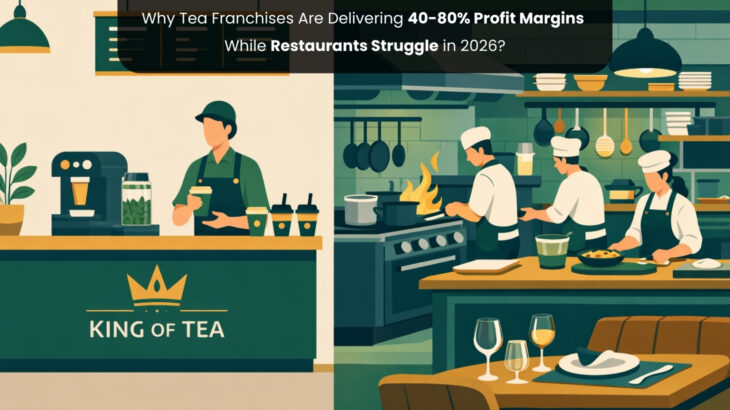
Why Tea Franchises Are Delivering 40-80% Profit Margins While Restaurants Struggle in 2026
Tea franchises are realizing profit margins of 40-80% in 2026 due to several factors. They adapt well to health trends, offering antioxidant-rich beverages that cater to health-conscious consumers. Many entrepreneurs are capitalizing on this by investing in a tea shop franchise, which allows for lower overhead costs from reduced space and staffing. Innovative marketing, including social media engagement and personalized promotions, helps attract and retain customers. Additionally, the growing demand for customizable drink options strengthens brand loyalty.
The Resilience of the Tea Franchise Model
Although the tea franchise model faces competition from various beverage options, it demonstrates remarkable resilience in the marketplace. This adaptability is fueled by innovative approaches to product offerings and customer engagement. Tea franchises are continuously evolving, introducing unique flavors, customizable drinks, and sustainable practices that appeal to a diverse clientele. The model thrives on a strong community presence, fostering loyalty through personalized experiences. Additionally, franchises often leverage technology for efficient operations and enhanced customer interactions, further solidifying their market position.
Health Trends Driving Consumer Choices
As consumers increasingly prioritize health and wellness, the demand for tea has surged considerably. While people still crave the comfort of Traditional Indian tea, they are gravitating toward varieties rich in antioxidants, vitamins, and minerals. This trend reflects a broader movement towards functional beverages that enhance well-being. Innovative flavors and blends, such as adaptogenic herbs and superfoods, further appeal to health-conscious individuals. Additionally, the rise of sustainability and ethical sourcing resonates with consumers who are mindful of their environmental impact.
Lower Overhead Costs Compared to Traditional Restaurants
The growing popularity of tea has not only influenced consumer choices but also impacted the operational landscape for tea franchises. These businesses benefit from notably lower overhead costs compared to traditional restaurants, which often face high expenses related to staffing and complex supply chains. Setting up a Hyderabad Tea Franchise typically requires less square footage, reducing rent and utility expenses, while streamlined menus minimize food waste and inventory costs. This lean operational model not only fosters profitability but also enables rapid scalability, positioning tea franchises as agile competitors.
Innovative Marketing Strategies in the Tea Sector
While traditional marketing methods remain relevant, tea franchises are increasingly adopting innovative strategies that leverage digital platforms and social media. These franchises utilize influencer partnerships, allowing them to reach diverse audiences through authentic endorsements. Furthermore, interactive campaigns, such as user-generated content contests, foster community involvement and brand loyalty. By employing augmented reality experiences, tea brands can provide immersive product interactions that captivate customers. Personalized marketing through data analytics also enables franchises to tailor promotions based on consumer preferences.
The Growing Demand for Customizable Beverage Options
With consumers increasingly prioritizing personalization, the demand for customizable beverage options in the tea franchise sector has surged. This trend reflects a broader movement toward tailored experiences, where customers seek to express individuality through their choices. Innovative tea franchises are responding by offering a diverse array of ingredients, flavor profiles, and preparation methods. This level of customization not only enhances customer satisfaction but also fosters brand loyalty, as consumers are more likely to return for unique offerings.
Frequently Asked Questions
What Are the Startup Costs for Opening a Tea Franchise?
The startup costs for opening a tea franchise vary based on location and the scale of the outlet. This investment encompasses expenses such as equipment, inventory, leasehold improvements, and initial marketing. Entrepreneurs seeking innovation should consider factors like technology integration and sustainable sourcing to enhance customer experience and align with contemporary consumer values, potentially positioning their franchise for greater success.
How Do Tea Franchises Ensure Product Quality and Consistency?
Tea franchises prioritize product quality and consistency through rigorous sourcing and standardization processes. They establish partnerships with trusted suppliers to guarantee premium tea leaves and ingredients, while implementing strict quality control measures throughout production. Staff training programs emphasize consistent preparation techniques and customer service excellence. Additionally, leveraging technology for inventory management allows franchises to adapt quickly and maintain high standards.
What Training Is Provided for New Franchise Owners?
New franchise owners receive training that covers operational procedures, product preparation, and customer service standards. This training often includes hands-on workshops and shadowing experienced staff to guarantee a deep understanding of the brand’s ethos. Additionally, ongoing support is provided in areas such as marketing strategies and inventory management. Such an emphasis on education empowers franchise owners to innovate while maintaining the consistency essential for brand success.
Are Tea Franchises Suitable for First-Time Business Owners?
Tea franchises can be highly suitable for first-time business owners, offering a manageable entry point into the beverage industry. With thorough training programs and established brand recognition, newcomers receive essential support in operations and marketing. The relatively low startup costs and flexible business models appeal to aspiring entrepreneurs. Additionally, the growing consumer interest in health and wellness products further enhances the viability of tea franchises.
How Do Seasonal Trends Affect Tea Franchise Sales?
Seasonal trends greatly impact tea franchise sales, driving fluctuations in customer preferences and beverage consumption. For instance, warmer months often see a surge in iced tea sales, while colder months might boost hot tea offerings. Innovative franchises adapt their menus and marketing strategies to align with these trends, capitalizing on seasonal flavors and limited-time promotions. By embracing these changes, tea franchises can enhance customer engagement throughout the year.